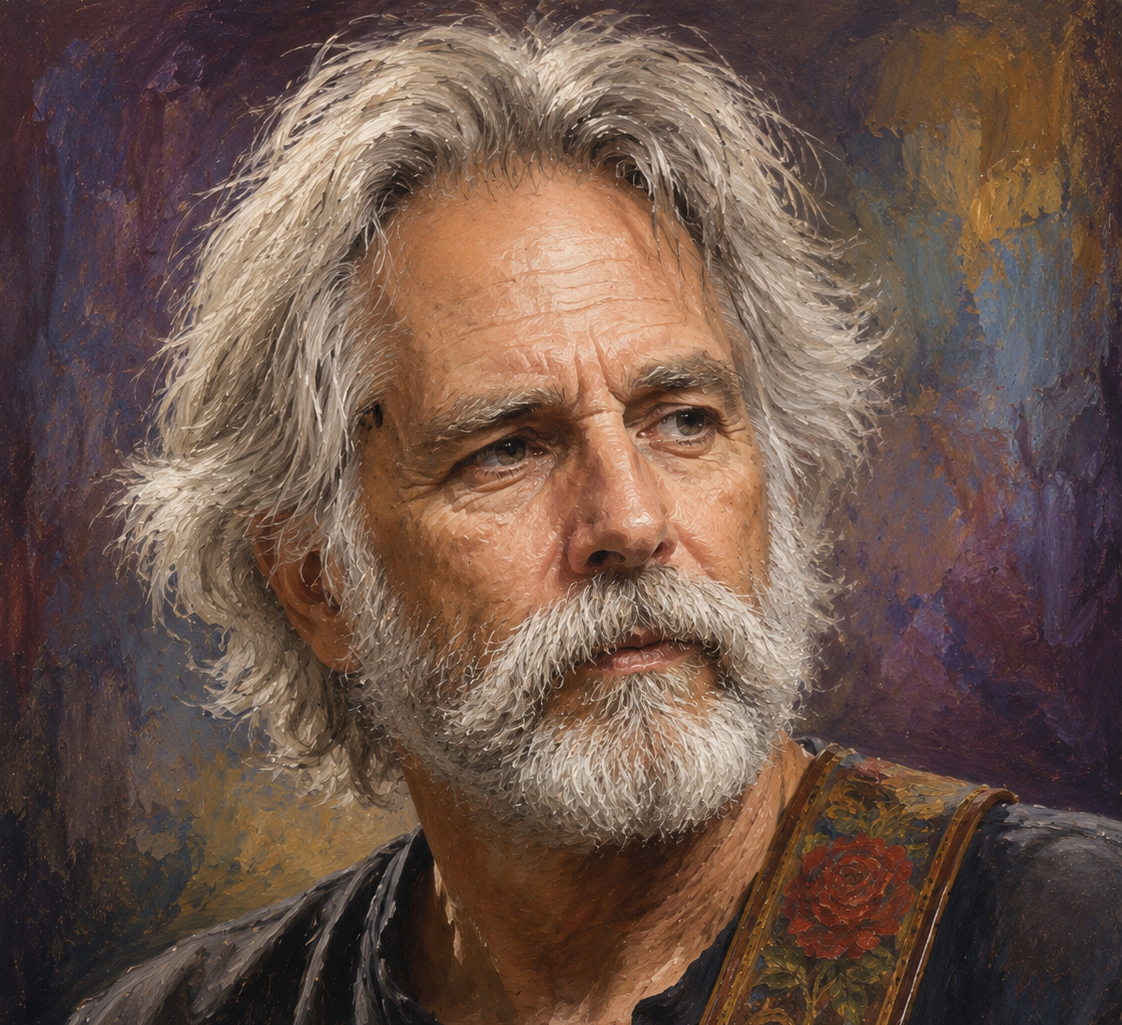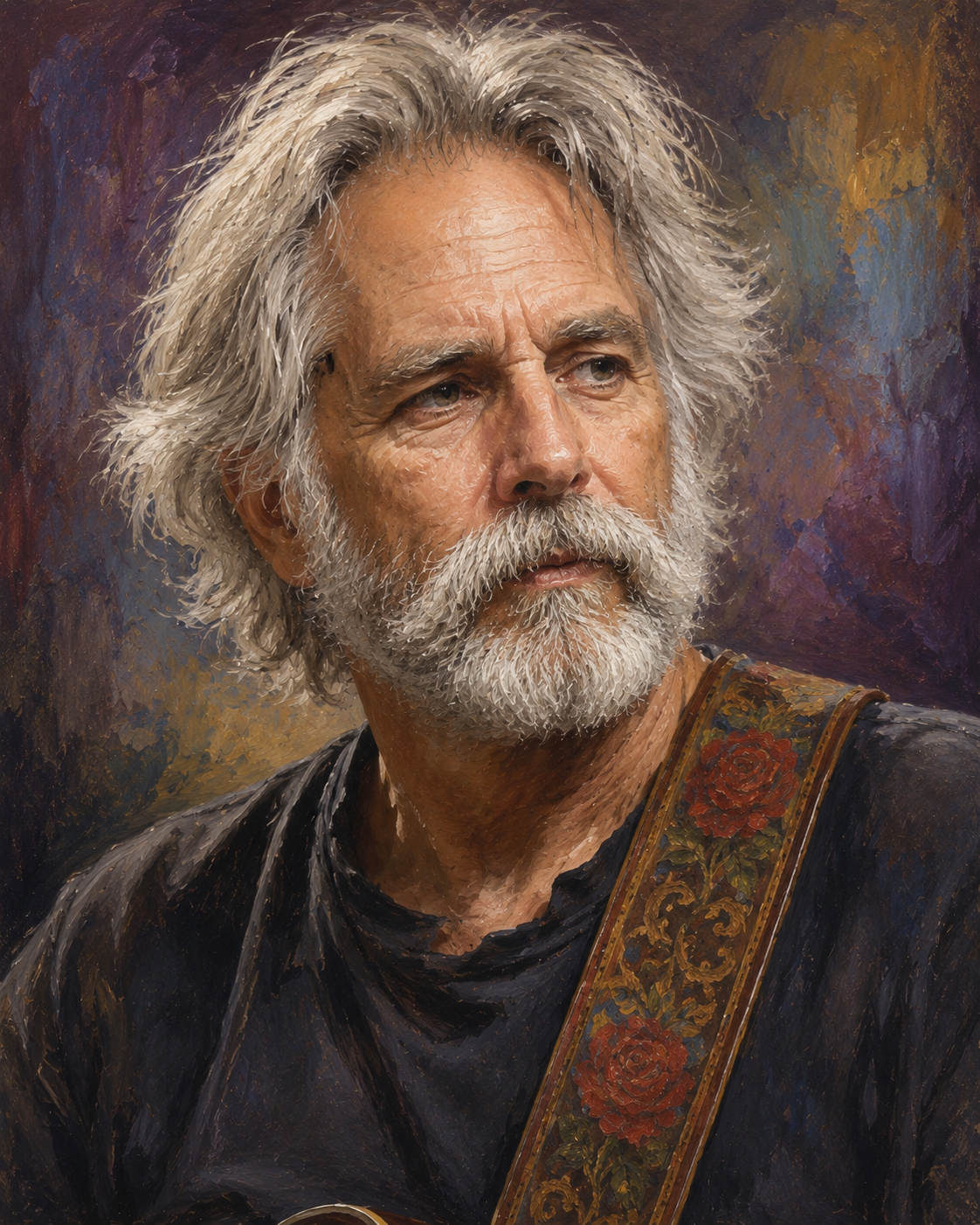
Bob Weir was an American musician, songwriter, and cultural icon whose music became woven into the lives and memories of generations of fans around the world.
Born on October 16, 1947, in San Francisco, California, Weir became one of the founding members of Grateful Dead, a band that would grow far beyond music to become one of the most influential cultural movements in modern American history.
Known for his rhythm guitar work, distinctive voice, and fearless live performances, Weir helped shape a sound built on improvisation, storytelling, and emotional connection. Through songs like “Sugar Magnolia,” “Truckin’,” “Cassidy,” and “Estimated Prophet,” he helped create music that fans did not simply listen to — they lived alongside it.
For decades, the Grateful Dead became known for their endlessly evolving live shows, devoted fan community, and spirit of freedom and exploration. Weir stood at the center of that journey, helping transform concerts into shared experiences that brought people together across generations.
Even after the passing of Jerry Garcia, Weir continued carrying the music forward through projects including Dead & Company, introducing the spirit of the Grateful Dead to new audiences while preserving its legacy for longtime fans.
Beyond the stage, Weir was admired for his authenticity, creativity, resilience, and dedication to the music itself. He remained committed to performing and evolving artistically throughout his life, earning respect not only as a musician, but as a symbol of artistic freedom and enduring connection.
To millions, Bob Weir represented more than rock music.
He represented community, memory, exploration, and the idea that music could bring strangers together and make them feel less alone.
His influence continues through the songs, stories, and moments that became part of people’s lives — and through the generations of fans and musicians inspired by the journey he helped create.