
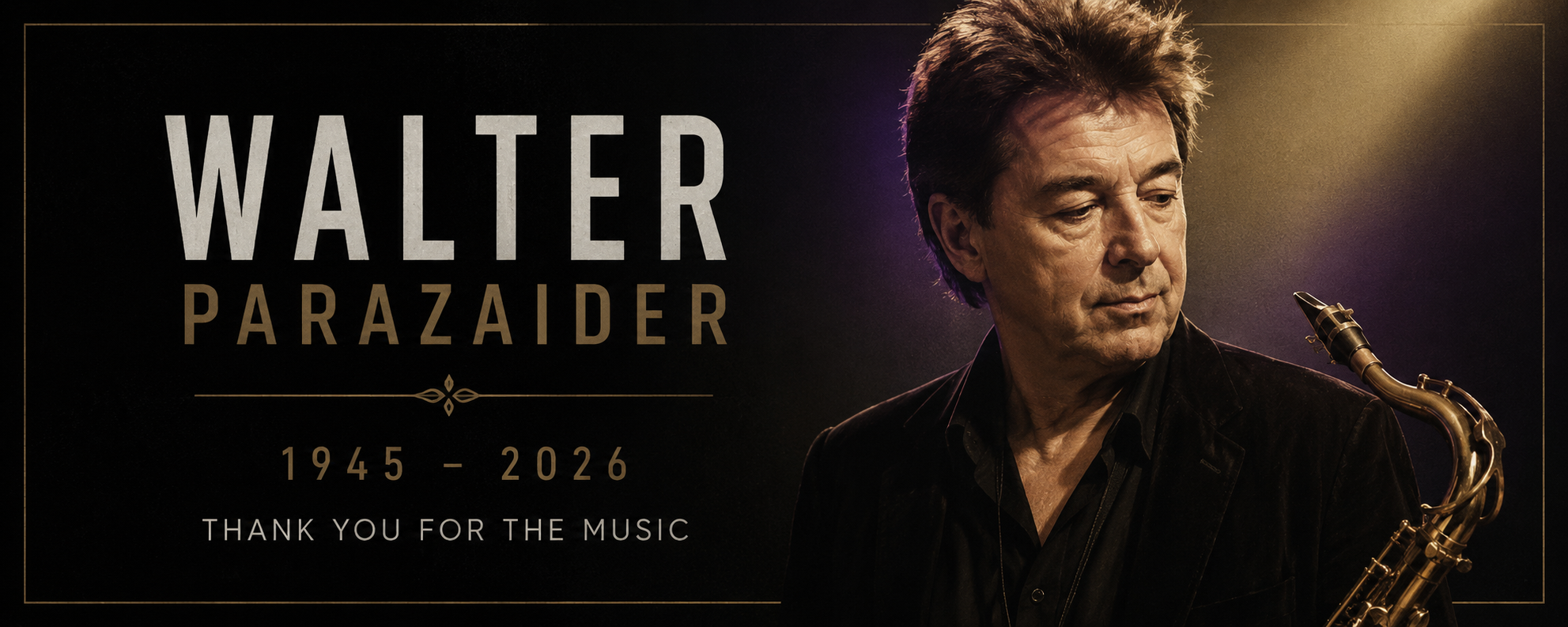
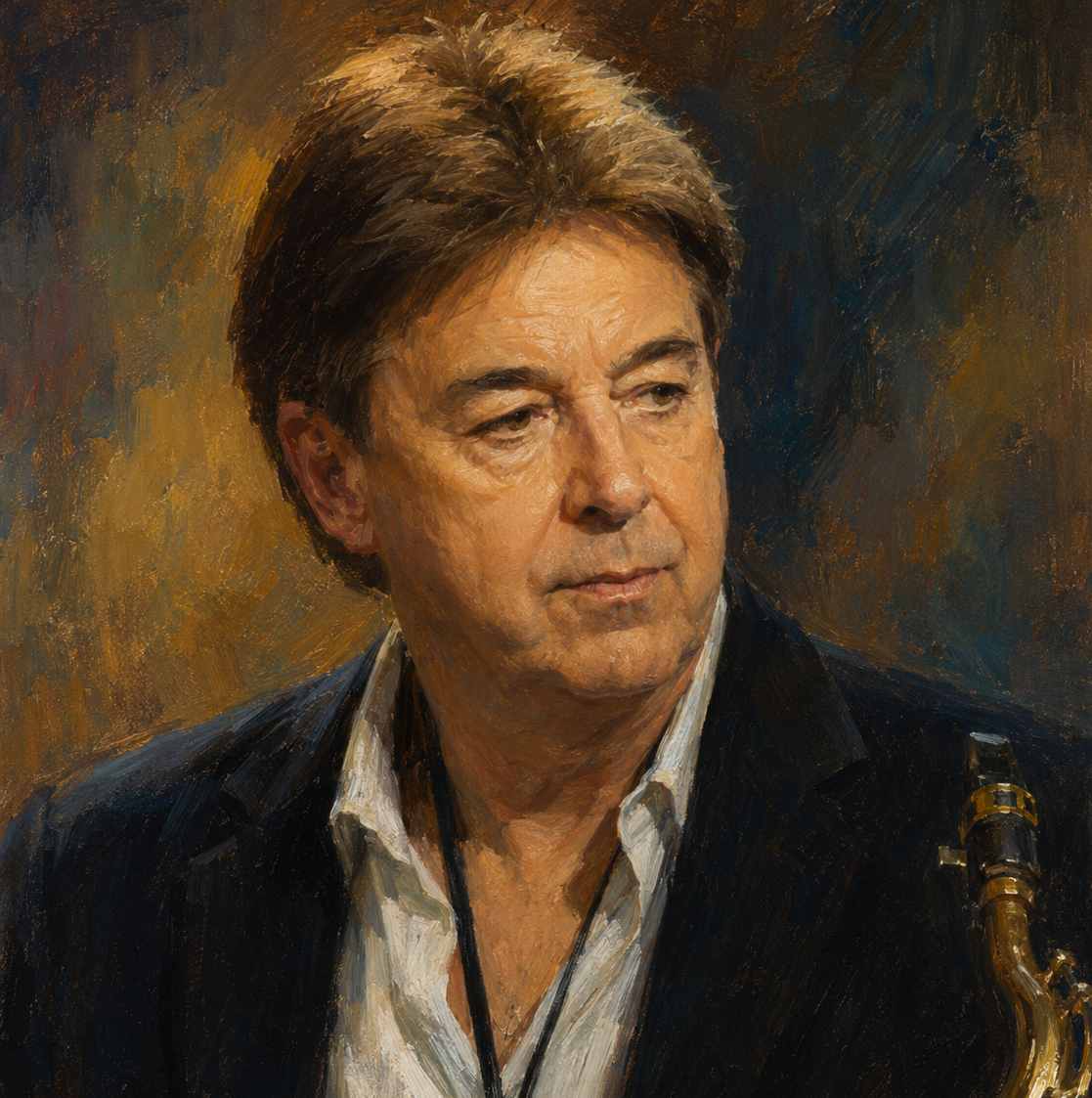
Walter Parazaider was an American musician, songwriter, and one of the founding architects of the rock band Chicago. Born on March 14, 1945, in Chicago, Illinois, he developed a passion for music at an early age and became proficient on multiple instruments, including saxophone, flute, and clarinet. His musical interests extended beyond traditional rock, drawing heavily from jazz, big band, and classical influences that would later help shape one of the most recognizable sounds in popular music.
In the late 1960s, Parazaider became a driving force behind the formation of a new kind of band—one that combined the energy of rock music with the sophistication and power of a full horn section. That vision led to the creation of Chicago, a group that would go on to become one of the best-selling and longest-running bands in music history. While many fans recognized him as the band's saxophonist, his influence extended far beyond his performances. He played a key role in developing the band's musical identity, helping establish the blend of rock, jazz, pop, and brass arrangements that became Chicago's signature sound.
Over the course of more than five decades, Parazaider contributed to dozens of albums, countless live performances, and some of the most recognizable songs of the rock era. His musicianship could be heard throughout Chicago's catalog, from the band's early jazz-rock experimentation to the polished chart-topping hits that followed. Whether performing soaring saxophone melodies, intricate flute passages, or subtle woodwind textures, he brought depth and character to every recording.
Beyond his musical accomplishments, Walter Parazaider was respected throughout the industry for his professionalism, humility, and dedication to his craft. Fellow musicians often praised his ability to balance technical excellence with emotional expression, while fans admired the consistency and passion he brought to the stage year after year. As a founding member of Chicago, he helped create a body of work that has connected generations of listeners and secured his place among the most influential horn players in rock history.