
Aftir Logo AFTIR
Home Archive About Login
Aftir is now available wherever you are. Create free memorials for family, friends, and pets on the web, Android, or iPhone. Create Your Free Account
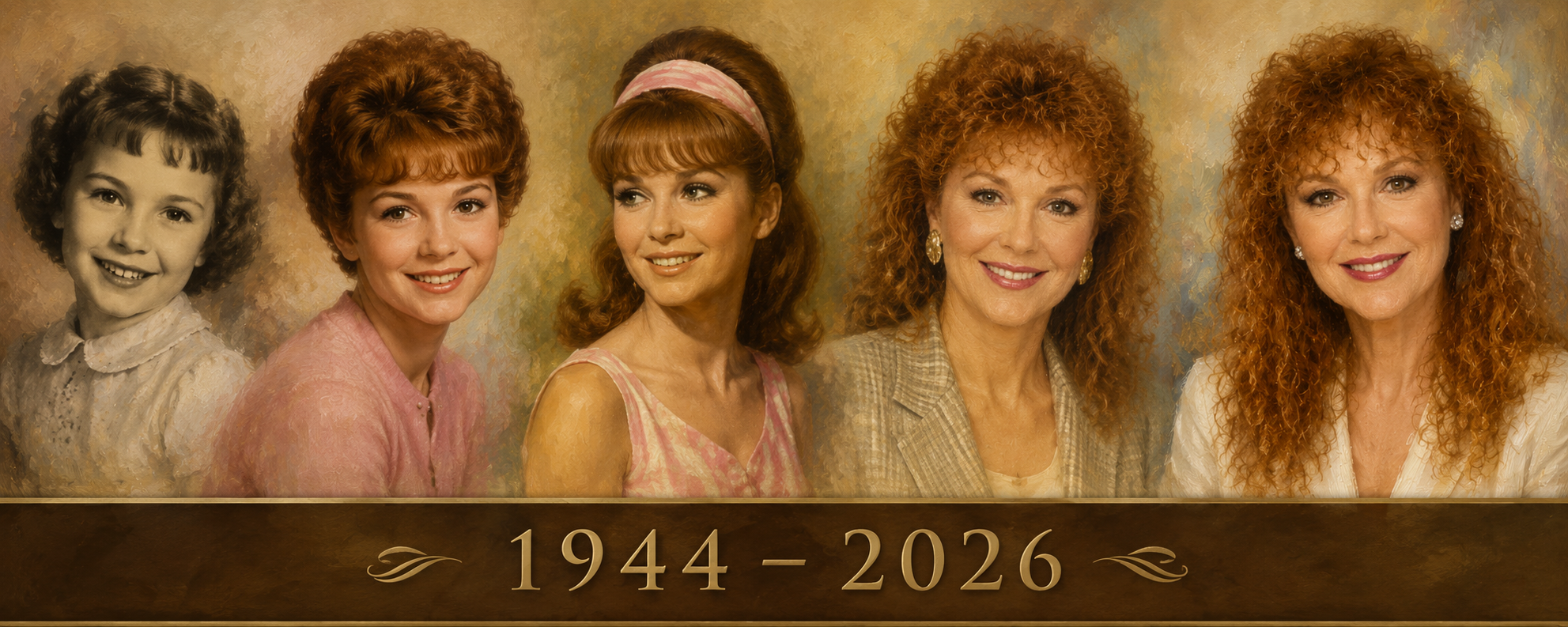
Shelley Fabares memorial banner

Shelley Fabares

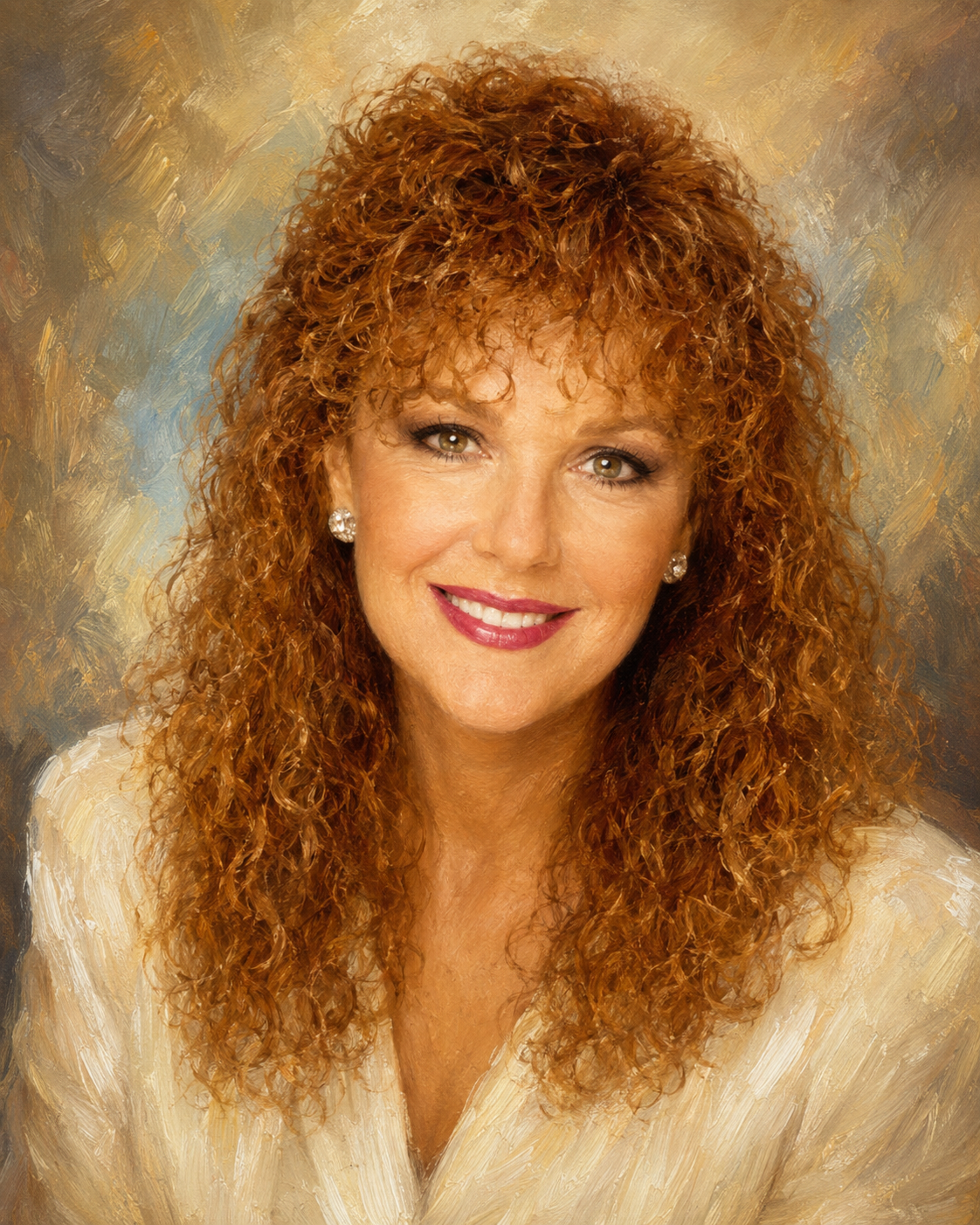
Shelley Fabares memorial portrait

Born January 19, 1944 — Passed August 22, 2026

Shelley Fabares spent most of her life in front of an audience, growing from a child performer into one of American television’s most familiar faces. Born in Santa Monica, California, on January 19, 1944, she began modeling as a small child and was acting professionally while still young. Entertainment was also part of her family: actress and comedian Nanette Fabray was her aunt. Fabares attended North Hollywood High School while building a career that would ultimately span more than five decades.

Her defining early opportunity arrived in 1958, when she was cast as Mary Stone, the teenage daughter of Donna and Alex Stone, on The Donna Reed Show. Fabares was only 14, and the series became both her professional breakthrough and an important part of her personal development. She later described Donna Reed as a profound influence and a second mother whose intelligence, integrity and compassion helped shape her own values. Fabares remained a regular through 1963 and returned for later appearances.

Her television popularity unexpectedly produced a second career. Producers of The Donna Reed Show encouraged Fabares and co-star Paul Petersen to record music that could be incorporated into the program. Fabares repeatedly maintained that she did not consider herself a singer, but in 1962 her recording of “Johnny Angel” reached No. 1 on the Billboard Hot 100. What began almost reluctantly became one of the most recognizable pop recordings of the early 1960s.

After leaving regular duty on The Donna Reed Show, Fabares expanded into feature films and more adult roles. She became especially associated with Elvis Presley after appearing opposite him in Girl Happy (1965), Spinout (1966) and Clambake (1967), making her the only actress to co-star with Presley in three of his films. Her other work included Ride the Wild Surf and the acclaimed television film Brian’s Song.

As she matured, Fabares successfully avoided being confined to her image as a teenage star. She continued working steadily in television, including appearances in numerous series and television movies and a recurring role as Francine Webster on One Day at a Time. In 1989, she began another defining chapter of her career as Christine Armstrong on Coach. Christine developed from the successful girlfriend of Craig T. Nelson’s Hayden Fox into his wife and remained central to the series through its conclusion in 1997. Fabares received two Primetime Emmy nominations for the role.

Her personal life included a marriage to record producer Lou Adler in 1964; they separated two years later and eventually divorced. In 1984 she married actor and activist Mike Farrell, best known for playing B.J. Hunnicutt on M*A*S*H. Their marriage lasted for more than four decades, until her death.

Away from acting, Fabares devoted considerable time to causes shaped by people she loved. Her mother, Elsa, endured Alzheimer’s disease for eight years before dying in 1992. Fabares became a national board member and spokesperson for the Alzheimer’s Association and testified before Congress about the disease, first doing so in 1990 and returning in later years to press for greater awareness, research and support.

Fabares also faced a major health crisis of her own. An autoimmune disorder caused progressive liver failure, and after a wait of approximately 22 months, she underwent a successful liver transplant on October 23, 2000. She later spoke publicly about the physicians who cared for her and the profound gift represented by organ donation.

Her later professional life included voice acting as Martha Kent in the Superman animated universe and extensive service within the acting profession. She served on the Screen Actors Guild national board, the SAG Foundation board and the SAG Awards Committee, which she joined in 2003. She was also closely involved with the Donna Reed Foundation for the Performing Arts, helping continue the legacy of the woman who had influenced her so deeply.

Famous For

Shelley Fabares is most strongly remembered for three remarkably different successes: playing teenager Mary Stone on The Donna Reed Show, recording the 1962 No. 1 hit “Johnny Angel,” and returning decades later as Christine Armstrong on Coach, a performance that earned her two Emmy nominations.

Movie audiences also remember her as one of Elvis Presley’s most frequent leading ladies. Her three films with Presley gave her a lasting place in the history of his Hollywood career.

Roles / Teams / Organizations

  • The Donna Reed Show — Mary Stone, regular cast member, 1958–1963, with later appearances
  • Recording artist, Colpix Records — Early 1960s; recorded the No. 1 single “Johnny Angel”
  • One Day at a Time — Francine Webster, recurring role
  • Coach — Christine Armstrong/Christine Armstrong Fox, 1989–1997
  • Superman animated productions — Voice of Martha Kent
  • Alzheimer’s Association — National board member, spokesperson and congressional advocate
  • Donna Reed Foundation for the Performing Arts — Founding-era participant, longtime leader and President Emerita
  • Screen Actors Guild — National board member and Honors and Tributes Committee co-chair
  • Screen Actors Guild Foundation — Board member
  • Screen Actors Guild Awards Committee — Member beginning in 2003 and longtime participant in the awards production
  • Significant Contributions

    Shelley Fabares accomplished something relatively uncommon among performers who became famous as children: she established a durable adult career without simply recreating the role that had first made her famous. Mary Stone represented an idealized early-1960s American teenager, while Christine Armstrong on Coach was an intelligent, independent professional woman. Those roles, separated by three decades, allowed different generations to know Fabares on their own terms.

    Her unexpected recording career also demonstrated television’s emerging power to shape popular music. “Johnny Angel” moved from a storyline on The Donna Reed Show into the real-world record market and reached No. 1, becoming an enduring artifact of early-1960s pop culture.

    Beyond entertainment, her work for Alzheimer’s awareness had deeply personal roots. After watching her mother experience the disease, Fabares used her public profile to advocate for affected families and increased attention to Alzheimer’s. Her involvement extended far beyond celebrity appearances: she served on the Alzheimer’s Association’s national board for decades and testified before Congress about the human cost of the disease.

    She also helped preserve Donna Reed’s legacy through the Donna Reed Foundation for the Performing Arts, an organization devoted to education, scholarships and opportunities for young performers. In doing so, Fabares helped extend the mentorship she had received from Reed to generations who never had the opportunity to know her personally.

    Notable Works

  • The Donna Reed Show (1958–1966) — Fabares became a national television star as Mary Stone.
  • “Johnny Angel” (1962) — Her signature recording, reaching No. 1 on the Billboard Hot 100.
  • Shelley! (1962) — Her debut album, released during the unexpected recording career that followed her television success.
  • Ride the Wild Surf (1964) — One of her notable 1960s feature-film roles.
  • Girl Happy (1965) — Her first feature film opposite Elvis Presley.
  • Spinout (1966) — Her second film with Presley.
  • Clambake (1967) — Her third film with Presley, making her unique among his leading ladies.
  • Brian’s Song (1971) — The acclaimed television movie about the friendship between Chicago Bears players Brian Piccolo and Gale Sayers.
  • One Day at a Time — Recurring role as Francine Webster.
  • Coach (1989–1997) — Her major later-career success as Christine Armstrong Fox; the role brought her two Primetime Emmy nominations.
  • Superman: The Animated Series and related productions — Fabares provided the voice of Martha Kent, later reprising the character in Justice League and Superman: Brainiac Attacks.
  • Cultural Impact

    Shelley Fabares occupied an unusual place across several eras of American popular culture. She was part of television’s first great generation of family sitcoms, became an unlikely teenage recording star at the height of pre-Beatles pop, appeared alongside one of the defining entertainers of the 20th century, and then returned to prime-time prominence as a mature actress decades later.

    That longevity mattered. Fabares demonstrated that a child performer did not have to remain permanently identified with childhood. She spoke candidly about the pressures young actors face and the difficulty of rejection and identity in a profession where children are expected to behave as working adults. Her own successful transition gave those observations particular weight.

    Her impact also extended beyond the screen. Through the Alzheimer’s Association, she helped put a recognizable human face on a disease that was still poorly understood by much of the public when she began advocating. Through the Donna Reed Foundation, she helped transform her gratitude toward an important mentor into practical opportunities for young people pursuing the performing arts.

    Lesser-Known Stories

    She never expected “Johnny Angel” to happen.
    Fabares was an actress, not an aspiring recording star. When The Donna Reed Show producers decided that she and Paul Petersen should record songs, both protested that they were not singers. Fabares recalled being especially reluctant. The song she approached with such uncertainty ultimately spent two weeks at No. 1 on the Billboard Hot 100.

    Donna Reed remained part of her decision-making long after the show ended.
    Fabares did not describe Reed merely as a former co-star. Decades later, she said she would sometimes mentally hear Reed urging her toward the stronger choice when she faced a decision. Their relationship had evolved from television mother and daughter into a lasting friendship and mentorship.

    Filming with Elvis took her somewhere personally exciting: a parking lot.
    While making Spinout, scenes were filmed at Dodger Stadium. That was a thrill for Fabares because she was a lifelong baseball and Dodgers fan; before the Dodgers arrived in Los Angeles, she had even belonged to the Hollywood Stars Booster Club. For her, simply working at Dodger Stadium carried its own excitement.

    She waited nearly two years for the call that saved her life.
    Fabares waited approximately 22 months for a donor liver as her health progressively deteriorated. On October 23, 2000, her pager finally went off with the news that an organ was available. The transplant succeeded, and she later spoke with extraordinary gratitude about the doctors, donor and circumstances that had given her another chance at life.

    Sources / Notes

  • Associated Press
  • Los Angeles Times
  • People
  • Television Academy
  • Screen Actors Guild Awards
  • U.S. Congress
  • Donna Reed Foundation for the Performing Arts
  • Newswise
  • Cryptic Rock
  • The Billboard Book of Number One Hits
  • Tribute created with love by Aftir

    Light a Candle

    4 people have lit a candle in remembrance.

    Memories Shared

    No public memories have been approved yet.

    Share a Memory

    Leave a memory, message, or reflection in honor of Shelley Fabares.

    Share Memorial

    Memorial Information

    This memorial page was created to preserve and share the life, memories, stories, photographs, and legacy of Shelley Fabares. Friends, coworkers, loved ones, and others who knew Shelley Fabares may contribute memories and reflections that help celebrate a life that continues to be remembered.