
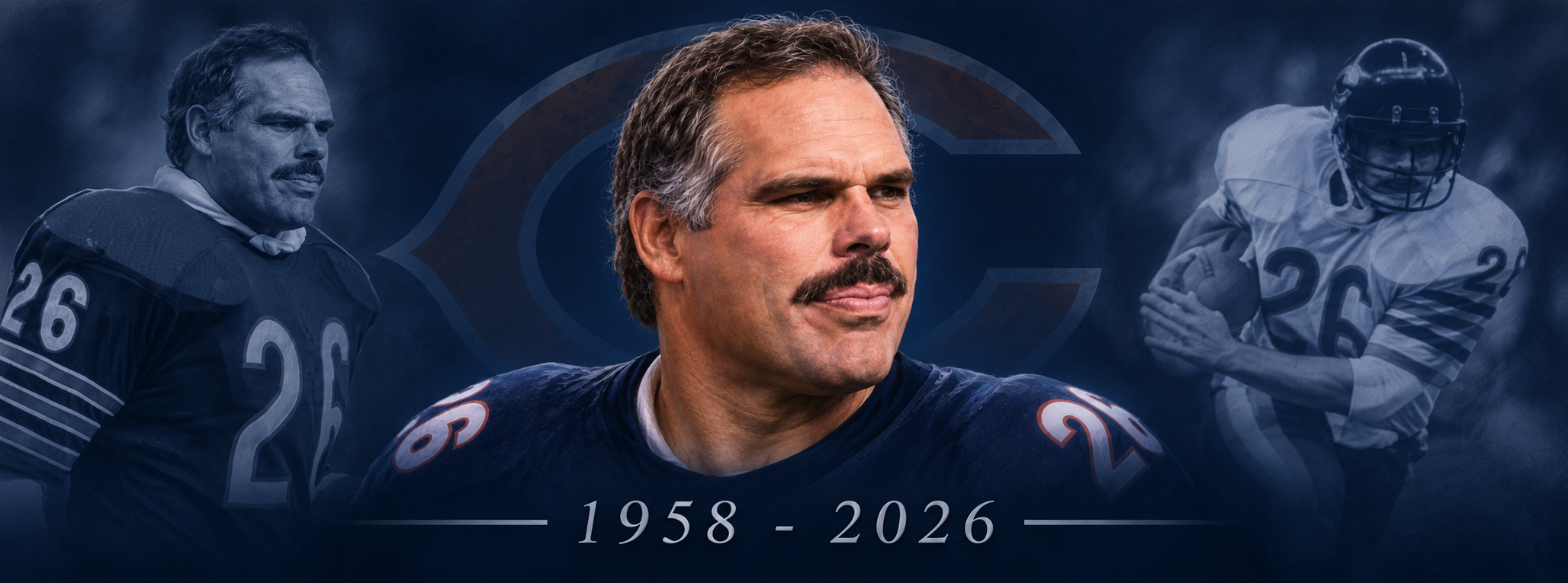
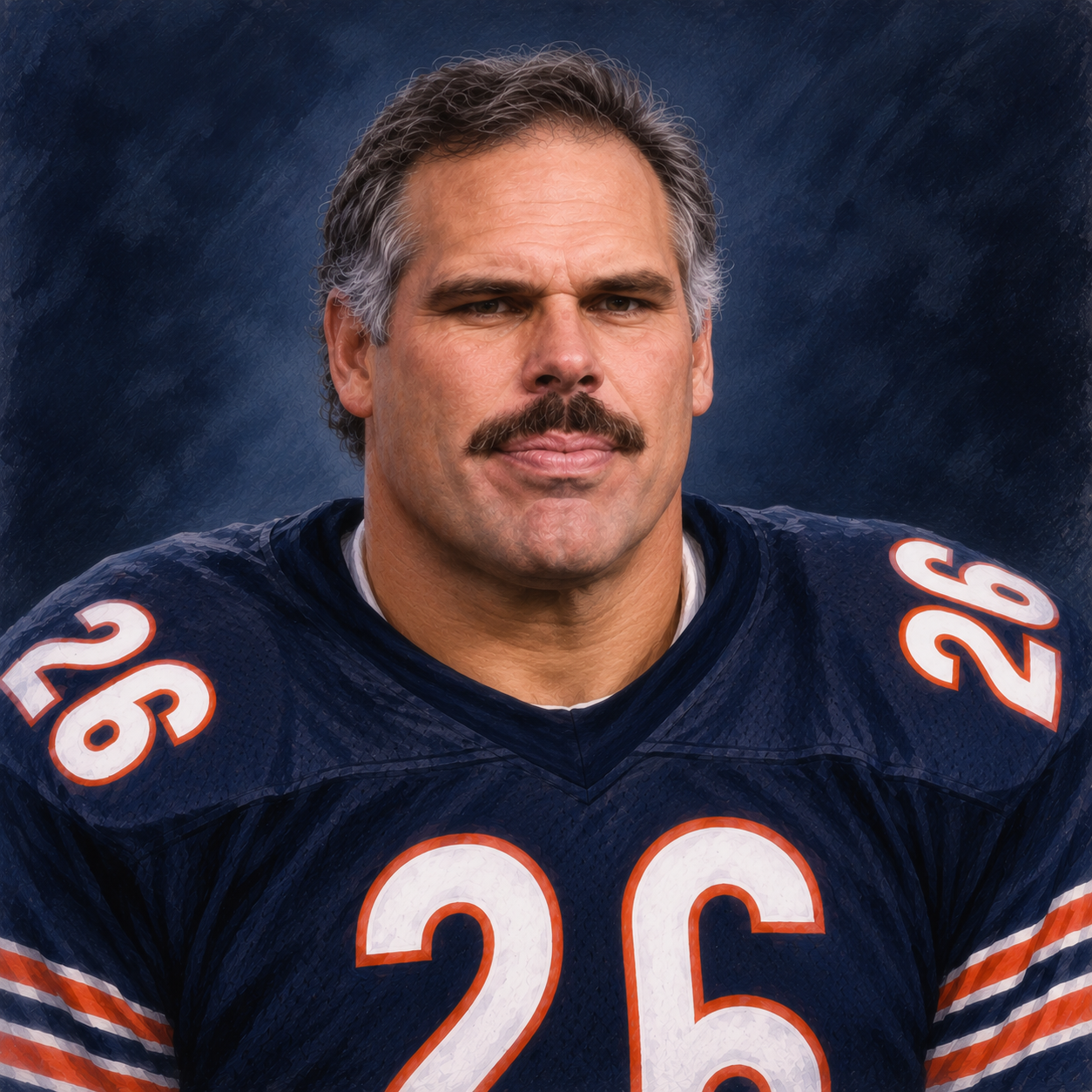
Matthew Jerome Suhey was born July 7, 1958, in Bellefonte, Pennsylvania, into a family whose connection to football—and particularly Penn State—already stretched across generations. His grandfather, Bob Higgins, had been an All-American player and longtime head coach at Penn State, while his father, Steve Suhey, was an All-American guard for the Nittany Lions and later played professionally. Matt grew up in State College, attended State College Area High School, and followed his father and older brothers into football. He later recalled that his brothers were among his first athletic heroes and credited his father’s toughness, discipline, and emphasis on humility and preparation as major influences on him.
Suhey continued the family tradition at Penn State, playing for the Nittany Lions from 1976 through 1979. Over four seasons he rushed for 2,818 yards and 26 touchdowns, caught 39 passes for 328 yards and two more scores, and contributed as a punt returner. He earned first-team All-East recognition in each of his final two seasons. His senior year was his most productive on the ground, with 973 rushing yards.
The Chicago Bears selected Suhey with the 46th overall pick in the second round of the 1980 NFL Draft. On the field, Suhey found a role that suited his combination of toughness, intelligence, versatility, and willingness to work without much attention. As the Bears’ fullback, he became Walter Payton’s lead blocker while also proving capable of carrying the ball and catching passes. Running backs coach Johnny Roland regarded him as an unusually intelligent back who could communicate assignments on the field, while head coach Mike Ditka considered him an exceptional blocking fullback.
Across ten NFL seasons, all with Chicago, he appeared in 148 regular-season games and started 100. He finished with 2,946 rushing yards and 20 rushing touchdowns, along with 260 receptions for 2,113 yards and five receiving touchdowns. During the Bears’ strongest stretch of the 1980s, his blocking and all-around play helped an offense that led the NFL in rushing for four consecutive seasons from 1983 through 1986.
The defining season came in 1985. Chicago went 15-1 during the regular season, with Suhey rushing for 471 yards as the team’s second-leading rusher behind Payton. The Bears then shut out the New York Giants and Los Angeles Rams in the playoffs before facing the New England Patriots in Super Bowl XX. Suhey scored Chicago’s first touchdown on an 11-yard run and finished the game with 52 rushing yards and a 24-yard reception as the Bears won 46-10.
Suhey remained with the Bears through the 1989 season, spending his entire professional career with one franchise. By then, his relationship with Payton had long since grown beyond football. When Payton became seriously ill in the late 1990s, Suhey helped accompany him to medical appointments, communicated with friends and former teammates on his behalf, and became part of the small circle surrounding him during his final months. After Payton’s death in 1999, Suhey became executor of his estate and continued helping the Payton family manage matters involving Walter’s estate, image, and likeness. Payton’s children came to regard him as a trusted father figure.