
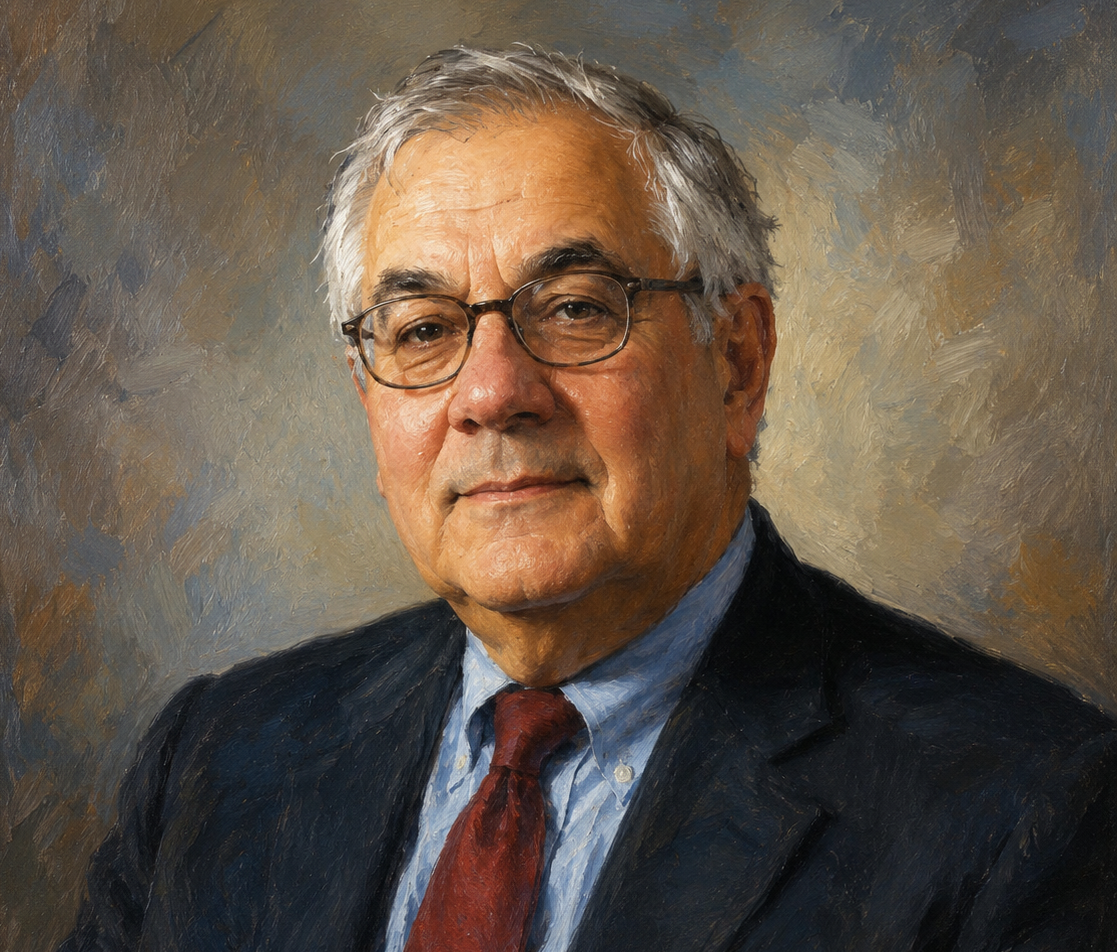
Barney Frank was an American politician, public servant, author, and advocate whose career spanned more than four decades of public service. Best known for his thirty-two years in the United States House of Representatives, Frank became one of the most influential lawmakers of his generation and a leading voice on financial policy, civil rights, and government accountability.
Born in Bayonne, New Jersey, on March 31, 1940, Frank developed an early interest in politics and public service. After graduating from Harvard University, he worked as a legislative aide and political organizer before entering elected office in Massachusetts. He served in the Massachusetts House of Representatives from 1973 to 1981 before winning election to Congress, where he would represent the state for the next three decades.
Throughout his congressional career, Frank earned a reputation for his sharp intellect, extensive policy knowledge, and direct communication style. He became a central figure in debates involving housing policy, banking regulation, consumer protections, and economic reform. As Chairman of the House Financial Services Committee, he played a major role in shaping the federal government's response to the 2008 financial crisis. His most enduring legislative achievement was co-authoring the Dodd-Frank Wall Street Reform and Consumer Protection Act, a landmark law designed to strengthen oversight of financial institutions and reduce systemic risks within the banking industry.
Beyond his legislative work, Frank helped break barriers for LGBTQ+ representation in American government. In 1987, he became one of the first members of Congress to publicly acknowledge that he was gay while serving in office. At a time when few public officials were openly LGBTQ+, his visibility and advocacy helped advance broader conversations about equality, representation, and civil rights. His career reflected significant social changes in American society and helped pave the way for future generations of LGBTQ+ leaders.
Frank was known among colleagues, journalists, and constituents for his quick wit, candid responses, and willingness to engage directly with both supporters and critics. He often brought humor and practicality to policy discussions, earning respect across ideological lines even when disagreements were sharp. His influence extended beyond legislation, as he became one of the most recognizable and frequently quoted figures in modern American politics.
Following his retirement from Congress in 2013, Frank remained active as a public commentator, author, and speaker. He continued to share insights on government, public policy, financial regulation, and civil rights while reflecting on the evolving political landscape of the United States.